Kiln Maintenance and Repair for Ceramic and Glass Manufacturing: The Complete Guide

Kiln Maintenance and Repair for Ceramic and Glass Manufacturing: The Complete Guide
For ceramic and glass manufacturers, a kiln is one of the most critical pieces of equipment on the floor. When it goes down unexpectedly, the cost far exceeds the repair bill.
A single failure can trigger missed delivery windows, compromised work in progress and idle labor waiting on a cold kiln. That’s why it’s important for facility managers to watch for warning signs and stay on top of kiln maintenance.
Common Kiln Failure Points in Ceramic and Glass Manufacturing
Most kiln breakdowns result from various recurring issues, and knowing them is the first step to preventing them.
Refractory Lining Damage
The refractory lining is the heat-resistant interior layer that protects a kiln’s structure from extreme temperatures, and it takes the most direct hit when something goes wrong. Ceramic and glass applications are especially hard on the lining, since glazes and molten glass chemically react with it.
These reactions can lead to:
- Thermal shock cracking: Rapid heat-up or cooldown cycles create expansion and contraction stress that cracks the lining, often before the damage is visible.
- Chemical erosion: Repeated exposure to glazes and molten glass wears down the lining’s surface over time, which breaks it down from the inside out.
- General wear: Years of thermal cycling eventually lead to spalling, where brick fragments break away — a visible sign that the lining has reached end-stage failure.
Refractory lining deterioration is a common cause of unplanned kiln downtime. This is why choosing the right kiln refractory materials and scheduling preventive refractory lining repairs matters just as much as routine upkeep.
Residual Buildup and Blockages
Mineral and dust deposits build up inside a kiln with every firing. In glass kilns, molten drips bond to porous refractory surfaces and deepen with each cycle. In ceramic kilns, glaze volatiles and condensates collect on the lining and crown, eventually falling onto the product or disrupting heat flow. This buildup throws off temperature uniformity before it causes structural damage, so quality issues often show up first.
Controller and Temperature System Failures
Wear on the temperature control components is often hard to notice. Its effect on output usually appears well after the underlying problem begins.
Common failure points include:
- Thermocouples: These devices corrode and drift out of calibration, feeding inaccurate readings to the control system.
- Relays: Repeated cycling wears relays down, and when they fail, power to heating elements cuts out without warning.
- Control systems: Aging circuitry and safety components lose reliability the longer they run without inspection.
A kiln firing at the wrong temperature creates uneven thermal stress on the lining, accelerating wear well beyond what the readings show. Controller and thermocouple failures are often early warning signs that something is wrong.

Warning Signs Your Industrial Kiln Needs Professional Attention
Kilns rarely fail without warning. Facility managers should look out for the following signs.
Visible Warning Signs
Some warning signs are easy to catch during a routine walk-through:
- Cracks or spalling: Interior lining damage means the refractory has already progressed past early-stage wear.
- Hot spots or discoloration: Discolored patches on the exterior shell often point to a thinning section of lining underneath.
- Brick fragments in the discharge area: Pieces of refractory brick near the product discharge confirm the lining is actively breaking down.
- Unusual smoke color or odor: A shift in smoke color or smell during firing can signal a combustion or lining issue.
- Heat leaking from seals or doors: Warm spots around doors or seals mean heat isn’t staying where it should.
These are often signs of immediate kiln maintenance needs, and the damage is only progressing. Early action saves both time and money, rather than waiting until a full failure occurs.
Performance and Output Red Flags
Some warning signs show up in performance data before they’re ever visible:
- Longer firing cycles: Kilns that take noticeably longer to reach target temperature are compensating for lining or insulation losses.
- Inconsistent product quality: Color variation, warping and surface defects often stem from uneven heat distribution.
- Rising energy consumption: Higher energy bills without more output usually mean heat is escaping somewhere it shouldn’t.
- Unusual sounds: Grinding, rattling or cracking during operation typically means a mechanical issue is developing.
- Recurring temperature alarms: Repeated controller faults flag a problem before it becomes a full failure.
These performance-based warning signs connect directly to quality and cost. Scheduling routine maintenance before a full ceramic kiln repair or replacement becomes necessary keeps costs and downtime in check.
Planning Routine Industrial Kiln Maintenance
Consistent, scheduled maintenance separates facilities that catch small issues early from those that face emergency shutdowns. Try to perform these checks regularly:
- Daily: Watch for hot spots or discoloration on the shell, confirm temperature readings hold steady and note any unusual sounds during operation.
- Weekly: Burner condition and flame pattern should stay consistent. Check seals and door closure for heat leakage, then review temperature logs for drift.
- Monthly: Examine the refractory lining interior for cracks, spalling or thinning whenever it is safe to access. Check for thermocouple accuracy and buildup, as well.
- Quarterly: Professional-grade cleaning clears blockages that daily checks can’t catch, alongside a detailed seal inspection and lining wear assessment.
Scheduling these checks during planned downtime windows often costs a fraction of what emergency repairs do.
Refractory Lining Protection Strategies
Protecting the refractory lining involves a few consistent habits:
- Control heat-up and cooldown rates: Gradual startups and shutdowns can help prevent thermal shock cracking.
- Clean the lining regularly: Clearing buildup and deposits before they harden prevents them from fusing into the brick and turning into a deeper repair.
- Patch small cracks early: Catching and fixing cracks during inspection is quick. Left alone, the same damage requires far more extensive refractory lining repair.
- Match materials to the application: The industrial refractory materials suited to ceramic firing differ from those used for glass, so choosing the right fit protects the lining long-term.
The Cost of Waiting for Professional Kiln Repair
The cost of kiln downtime includes everything that follows a failure — production loss, missed delivery commitments, emergency contractor premiums, expedited parts, idle labor and time needed to recommission the kiln.
Planned professional kiln repair and emergency shutdowns produce very different outcomes. A scheduled repair comes with a budget, a defined timeline and a known result. Emergency shutdowns rarely offer any of that, with higher costs and a timeline that stretches once parts lead times and curing requirements enter the picture.
Even a halt in operations lasting only a few days can trigger weeks of downstream disruption. Delayed shipments, spoiled work in progress and overtime costs are just some of the potential effects of a shutdown. Emergency repairs typically require specialist engineers, a full refractory rebuild with curing time and recommissioning test runs, all of which stretch the shutdown well beyond the repair itself.
Facilities that depend on a single kiln can take over a year to recover normal revenue after a major failure that requires a full industrial kiln rebuild. Professional repair protects the revenue stream that depends on the kiln, not just the equipment itself.
Keep Your Kiln Running With McNeil’s Expert Repair Services
The above warning signs mean it’s time to act, and waiting only increases the chances of an expensive failure. McNeil has kept ceramic and glass manufacturing facilities running since 1937, backed by a responsive team that treats every customer as a priority, with service locations across New Jersey, Virginia and Florida.
Our team handles preventive kiln maintenance, emergency repairs, cleaning to clear buildup and blockages, and refractory repair using quality materials sourced from multiple trusted suppliers. Our expertise and high-quality materials enable efficient service.
When a kiln needs professional attention, McNeil’s repair services are designed to get facilities back to full production quickly and avoid extended shutdowns. Call 800-722-5538 or reach out online for a competitive quote.

Preventing Your Industrial Burner From Destroying Your Refractory Lining

Preventing Your Industrial Burner From Destroying Your Refractory Lining
Your industrial burner keeps operations running, but it’s also one of the biggest threats to the refractory lining protecting your equipment. Because burner performance and lining integrity are directly linked, degradation from flame impingement, thermal cycling or combustion gas attack drives up operating costs, increases fuel consumption and triggers unplanned shutdowns.
How Industrial Burners Damage Refractory Lining
As the most thermally and chemically aggressive area in any high-temperature system, the burner zone experiences damage through several distinct mechanisms.
Flame Impingement
Flame impingement occurs when the burner flame directly contacts the refractory surface rather than staying centered in the combustion zone. This direct contact causes intense, localized overheating that far exceeds the lining’s design tolerance, creating rapid surface erosion and structural weakening.
Even small burner pipe misalignment can cause one-sided burner refractory damage and uneven shell temperatures. Root causes typically include:
- Poor combustion chamber design: Chambers too small or shaped incorrectly for the firing rate leave insufficient clearance for complete combustion.
- Burner misalignment: Units installed or shifted slightly off-center point the flame directly at the side surfaces.
- Excess primary air: Incorrect air and fuel mixing create unstable combustion paths that push heat toward the protective lining.
As the single most damaging burner-related failure mode, flame impingement drives both chemical and thermal refractory failure in a compounding manner.
Thermal Shock From Cycling and Overfiring
Thermal shock happens when rapid temperature changes cause significant physical strain on the refractory lining. Batch operations like heat treating furnaces, intermittent kilns or glass melting that cycle between ambient and high temperatures create ideal conditions for accelerated cracking.
During startups, shutdowns and trips, rapid heating or cooling alters the lining’s volume while different parts of the brick expand at different speeds. This process creates uneven internal pressure. Repeated thermal cycling makes micro-cracks grow larger until sections begin to spall.
Overfiring occurs when burners exceed designed temperature thresholds, exposing the refractory hot face to excessive heat and accelerating degradation. Because gas and oil-fired burners can produce temperatures upward of 3,000° Fahrenheit inside furnaces, areas not protected by water walls rely entirely on refractory for thermal protection.
Thermal cycling and chemical attack combine to degrade refractory materials in high-temperature equipment, leading to boiler lining erosion.
Chemical Attack From Combustion Gases
Combustion byproducts — alkali vapors, sulfur compounds and other reactive gases — penetrate the refractory’s surface and interact with its binders and aggregates. These interactions break chemical bonds, dissolve components or form new compounds that cause the protective lining to corrode, crack and fail.
Because the burner is the source of these gases, the zone directly around and downstream of the tip is especially vulnerable. Chemical corrosion from combustion gases reduces surface strength and causes progressive hot-face erosion.
Chemical attack happens through multiple pathways:
- Slag dissolution: Molten slag dissolves the inner hot face when chemical properties don’t match.
- Gas and vapor penetration: Volatile elements like sulfur, sodium and potassium condense inside brick pores, expanding and fracturing the matrix.
- Redox reactions: Molten metals chemically reduce the oxides inside the material, altering crystal structures and creating destructive internal pressure.
McNeil provides boiler refractory lining repair for systems experiencing chemical attack and other burner-related deterioration.
Warning Signs of Burner-Related Refractory Damage
Refractory deterioration rarely happens without warning. Look for these signs to spot burner-related damage:

1. Hot Spots on the Equipment Shell
Hot spots are one of the clearest signs of refractory deterioration. When the lining has thinned or failed in a section, heat escapes through the shell and shows up as visibly warmer or discolored areas on the exterior. These thermal anomalies near the burner zone indicate localized degradation from flame impingement or erosion.
Periodic thermal imaging surveys using infrared cameras provide the most reliable detection method. A warm shell above baseline is not normal, and refractory failure indicators like this require immediate investigation to prevent escalation.
2. Visible Cracking, Spalling or Material Loss
During scheduled downtime inspections, look for wide or growing fissures, spalling on the hot face, joint separation, or visible chunks of missing material. Distinguish between hairline fractures and structural breaks that occur when minor fissures widen over time from continuous strain.
Spalling signals the refractory has exceeded its thermal cycle tolerance and is breaking down from the inside, while the burner end suffers the most severe damage. Fractures can become large enough for heat to penetrate and attack the anchors holding the material in position, causing exponential deterioration of both anchors and lining. Taking photos of what you see at every shutdown creates a baseline for comparison.
McNeil offers furnace refractory repair and kiln burner refractory repair for facilities managing visible deterioration.
3. Rising Fuel Costs and Temperature Irregularities
Increased fuel consumption to reach the same operating heat levels is a reliable early diagnostic for insulation breakdown — a degraded lining leaks heat, and the burner compensates by working harder. Even a 5%-10% increase in natural gas consumption with no process changes is cause for concern.
Unexplained thermal fluctuations or inconsistencies in zones that used to hold steady warrant investigation. Pulling 12-24 months of fuel and heat data often reveals a clear trend tied to burner-related degradation, and early-stage deterioration is fixable on a planned schedule.
Protecting and Extending Your Refractory Lining Life
Once you understand the failure mechanisms and warning signs, you can take action to slow degradation and maximize service life.
Choose the Right Refractory Material for Burner-Adjacent Zones
The zone immediately around a burner operates under the most extreme thermal and chemical strain in the entire system. Throat areas typically require plastic refractory or precast shapes rated for high thermal cycling and industrial burner ceramic fiber protection. Backup layers may use fiber insulation or insulating castable. Using the wrong grade for a burner-adjacent zone accelerates deterioration regardless of installation quality.
McNeil helps customers select the right refractory materials and products for their specific application, including refractory repair solutions tailored to high-stress areas.
Calibrate and Align Your Burner Properly
Many cases of premature refractory deterioration stem from equipment management issues. Proper burner calibration and physical alignment that keep the flame centered in the combustion zone are critical.
- Laser alignment: Insert a central laser into the burner pipe, take measurements at multiple points, and modify mounting supports until it strikes the true center of the tip.
- Combustion tuning: Calibrate fuel control valves, pressure sensors and oxygen/carbon monoxide analyzers while shaping air dampers to create a sharp, well-positioned flame that avoids direct impingement.
Inspect Regularly and Act on Early Damage Signals
A basic assessment cadence should include visual checks at every scheduled outage and thermal imaging every 15-30 days during operation, with immediate investigation of any fuel consumption trend, heat variance or thermal anomaly. Plants running continuous operations, such as refineries, chemical plants and power generation operations, should generally schedule visual inspections quarterly rather than annually.
You can fix early-stage deterioration when you plan for intervention. Review API 982 best practices for refractory lining inspection, including visual examination, infrared thermal imaging and hammer testing. These strategies can help avoid costly refractory repairs through structured maintenance planning.
Contact McNeil for Expert Refractory Diagnosis and Repair
McNeil brings unique diagnostic and repair services to burner-related refractory deterioration, with expertise on both sides of the problem. We understand the equipment causing the issue and the materials taking the hit.
Since 1937, we’ve been servicing industrial boilers, furnaces, kilns and incinerators while supplying, installing and repairing the refractory systems that protect them. We’re R-Stamp certified (#R4938) by the National Board of Boiler and Pressure Vessel Inspectors.
Whether you’re dealing with hot spots, spalling or rising fuel costs, McNeil has the experience and capability to diagnose the root cause and deliver a lasting solution. Contact our team to discuss your refractory repair needs.

Getting the Right Boiler Repair and Replacement Parts (Common Mistakes)
Getting the Right Boiler Repair and Replacement Parts (Common Mistakes)
When your boiler fails, the response needs to be fast and accurate. Guessing based on appearance, skipping the serial number or assuming two components can swap in for each other can add days or even weeks to your repair timeline.
With unplanned industrial downtime costing thousands, accurate part selection protects your facility against wasted capital, extended shutdowns and cascading damage to surrounding components.
Following a practical verification process, like the steps outlined below, helps you and your maintenance team move through sourcing decisions with confidence, reducing delays and protecting uptime.
Address Failing Boiler Components Early to Protect Operations
Acting on a suspected failing part before a breakdown means one contained replacement instead of a longer shutdown and higher costs.
When one component fails under stress, the boiler components around it can take damage too. These could include major parts such as:
- Burner assemblies.
- Heat exchangers.
- Combustion chambers.
- System controls.
Scale and soot buildup, temperature regulation problems and water leaks give you a warning that a component is headed toward failure. Catching these problems at inspection disrupts operations far less than responding to a breakdown. An unplanned shutdown lasting 8-24 hours can cost more than the repair invoice itself, especially since emergency repair costs can run up to three times higher than standard repair or maintenance work.
Service staff holding an R-stamp (#R4938) from the National Board of Boiler and Pressure Vessel Inspectors (NBBI) can perform a full on-site diagnostic assessment, covering heating, water, auxiliary, ventilation and wiring systems. Teams with R-stamp certification can then carry out the repair on-site or remove the equipment for off-site repair and reinstallation if necessary.
Confirm the Correct Part Using Part Numbers and System Documentation
The boiler nameplate, manufacturer documentation and service records contain the model-specific configuration data that makes accurate procurement possible. Confirming the part number from these sources forms the foundation of every correct order for boiler parts and supplies.
Before placing an order, verify that you have:
- Original part number.
- Boiler manufacturer.
- Model number.
- Serial number.
- Operating specifications of the component.
When an original part has been updated or discontinued, confirm that the replacement carries manufacturer-approved cross-reference status.
The American Society of Mechanical Engineers (ASME) Boiler and Pressure Vessel Code (BPVC) governs how boiler components receive classification, design parameters and certification.
Verify Every Specification Before Placing the Order
Verifying every specification confirms the replacement will perform as rated under your system’s actual operating conditions. Pressure rating, temperature rating, fuel type, voltage and material composition all need to match. Boiler parts and supplies in the same product line look identical in many cases, while carrying different ratings for different applications.

Pressure and Temperature Ratings
The replacement part must match your boiler’s maximum allowable working pressure (MAWP) and design temperature, not just the original’s physical dimensions or product family. Pressure control components in the same series can carry different pressure classes. Some receive ratings for hot water use, while others carry steam ratings, and the two can’t be used interchangeably.
ASME classifies boiler components by MAWP and design temperature, including specific thresholds for high-temperature hot water systems. Refractory material failure can result from selecting a material not rated for the actual temperature and pressure in your system.
Boiler maintenance and inspection, including pressure testing and calibration, help ensure that every component operates within its rated parameters before your system goes back online.
Fuel Compatibility and Voltage Requirements
Gas valves and actuators frequently get misidentified because so many look alike. A valve rated for a higher fuel flow than your system requires won’t regulate fuel flow as intended, and a valve built for natural gas carries no rating for propane.
Voltage and actuation method also vary across visually identical control components. An actuator that fits your mounting points might use a different voltage or actuation method than the original, causing control failures that may not appear right away.
Check fuel type, fuel flow rating and voltage against your original component’s documentation before placing an order. Relying on only the replacement’s packaging introduces risk, as it may reference a product family rather than the specific model variant you need.
Burner system installation, piping repair and control component work fall under the component and vessel repair services. Each service requires fuel compatibility and voltage verification to confirm your system operates within specifications after repair completion, protecting you from callbacks and repeat shutdowns.
Gasket and Seal Material Ratings
A gasket that fits your housing doesn’t automatically qualify as the right one based on physical fit. Each gasket is engineered for a specific combination of temperature, pressure and fluid type. Physical size does not confirm compatibility with the rating.
Gaskets vary in size, thickness and material because each application places different demands on the seal. The material determines whether the gasket holds up under the actual conditions inside your system, not just whether the part fits during installation.
An incorrect gasket may appear to work after installation but fail without warning under sustained operating conditions. What starts as a small leak can lead to a complete loss of hot water and steam, requiring a much larger repair than the original gasket replacement would have taken.
Replacement gaskets for boiler entry and exit points get stocked alongside coatings, castables and plastics, including options from the Plibrico line. Each gets matched to your system’s operating specifications as part of a complete repair service. When your technician arrives with the correct gasket specification verified against your system documentation, proper installation can happen on the first visit.
Evaluate How Each Component Affects the Full Boiler System
A boiler functions as a connected system. A replacement part running outside its rated parameters puts stress on the valves, piping, heat exchangers and controls around the component. The added stress can shorten their service life and raise the chances of a wider failure.
Leaking boiler tubes introduce water or steam into areas that must stay dry and at high temperature, which can lead to:
- Thermal stress in the refractory.
- Damage across multiple system areas.
- Refractory failure from uncorrected tube leaks.
- Reduced efficiency.
- Unplanned downtime.
Thermal cycling, the repeated expansion and contraction of refractory, triggers damage across multiple system areas and builds internal stress over time. Small cracks that seem harmless can turn into much bigger problems, allowing heat to escape and exposing your boiler shell to temperatures beyond its design range.
A full inspection covering all systems, combined with testing and specialized calibration, forms part of the boiler repair service and inspection offering. The inspection gives you and your maintenance team a clear view of how every component performs before a larger problem develops. With this knowledge, you can schedule repairs during planned downtime rather than responding to emergency failures.

Get the Right Boiler Replacement and Repair Solutions With McNeil
Having a proactive partner on your side means you’ll get the correct, high-quality parts from the start, saving you time and money. McNeil has served industrial facilities in the metal, petroleum and chemical industries since 1937, operating from three locations across New Jersey, Virginia and Florida.
Our service staff holds R-stamp #R4938 from NBBI and arrives at your site fully equipped to perform repairs on-site or through off-site removal and reinstallation. Our boiler repair solutions begin with a full diagnostic across heating, water, auxiliary, ventilation and wiring systems. Comprehensive testing confirms that your system performs within specifications before the team leaves.
We also stock refractory materials, with options from the Plibrico line and other manufacturers, along with replacement gaskets and components to support complete repair services at your facility on a single visit. Call us today at 800-722-5538 or request a quote online.
Your Guide to Buying a Commercial Boiler

Your Guide to Buying a Commercial Boiler
The right boiler can affect your running expenses, uptime and workplace safety for years to come. Businesses need a reliable commercial boiler to control operating costs and ensure their facility can meet demand during peak conditions.
Explore how to choose a commercial boiler for your operational needs, different purchasing factors to weigh, and the right time to upgrade. With the right approach, you can secure a boiler that delivers measurable returns and dependable service.
1. Calculate Your Heating Load
The right boiler choice starts with a thorough analysis of your own facility. Property managers and business owners should define their operational parameters before considering a product or contacting vendors.
Heating load, measured in British thermal units (BTUs), determines the size and capacity your boiler must deliver. Right-sizing is crucial. An oversized unit causes short-cycling, which wastes fuel and accelerates wear on components. An undersized unit won’t be able to meet demand during peak heating conditions.
A professional assessment can help you choose the right size boiler and heating load for your facility.
2. Evaluate Your Infrastructure and Space
Consider the physical constraints of your property. How much mechanical space do you have? Will the new unit need upgraded venting and exhaust systems? Can installation crews and future maintenance teams easily access the equipment?
The answers to these questions will help you choose the right model for your facility. Even the most efficient boiler is useless if it’s too large for your space or requires ventilation upgrades beyond your budget. Figure out these limitations early to narrow your options.
3. Assess Fuel Type and Availability
The most common fuel options are natural gas, oil, propane and electricity. The right choice should align with:
- What’s already available on-site: Assess existing utility connections or storage infrastructure. Utilizing preexisting systems can significantly reduce initial setup costs and installation complexity.
- Local fuel costs: Current market prices for different fuel types in your region directly impact operational expenses.
- Long-term price stability: Evaluate historical price trends and future forecasts for each fuel. Volatile markets can lead to unpredictable operating costs — stable options offer greater financial security.
- Environmental goals: Consider each fuel type’s carbon footprint and emissions profile. Aligning with sustainability targets and regulations may favor cleaner-burning or renewable sources.
Before committing to a boiler type, it’s important to understand how water boiler heating systems operate. Your fuel selection directly impacts typical boiler efficiency and heat-up time. If you’re considering switching fuel types, factor in the infrastructure costs required to support the change.

4. Choose the Right Type of Boiler for Your Operation
Once you understand your facility’s requirements, you can choose the best type for your operation. Three types of boilers — fire-tube, water-tube and condensing — each serve different demands depending on your industry:
- Fire-tube vs. water-tube boilers: The fundamental difference comes down to what flows through the tubes. Fire-tube boilers route combustion gases through internal tubes, with water surrounding them on the outside. Water-tube boilers reverse this design, circulating water through tubes that sit within a chamber of hot gases. Fire-tube boilers are the common, cost-effective choice for many commercial heating applications. Water-tube boilers are best for high-pressure, high-capacity industrial needs where performance demands justify the investment.
- Condensing vs. noncondensing boilers: Condensing boilers capture extra heat from flue gases, making them significantly more efficient than standard models. This technology requires a higher up-front cost but delivers long-term energy savings. ENERGY STAR-certified condensing boilers can be up to 14% more efficient than standard models, though they require low return water temperatures to achieve that efficiency.
- High-pressure vs. low-pressure systems: Your application dictates the choice. Low-pressure systems handle standard space heating and hot water for most commercial buildings. High-pressure systems generate process steam for industrial settings. Understanding the efficiency differences between high-efficiency and standard boilers and even how boilers compare to furnaces can help you match the technology to your needs. Hot oil boilers are another specialized option when you need precise temperature control without high pressure.
5. Evaluate Purchasing Factors
Look beyond the marketing materials to make a smart financial decision. The factors below separate a sound investment from an expensive mistake:
- Calculate total cost of ownership (TCO) vs. up-front price: The sticker price is misleading. TCO includes projected fuel consumption, annual maintenance and potential repair costs over the unit’s lifespan. A boiler with a lower purchase price but higher operating costs will cost you more in the long run. Calculate TCO by estimating annual fuel use based on efficiency ratings, adding routine maintenance expenses and factoring in expected repair frequency as the unit ages.
- Understand efficiency, safety and compliance standards: Key efficiency metrics include annual fuel utilization efficiency (AFUE) and thermal efficiency. An ENERGY STAR certified boiler must achieve at least 94% thermal efficiency. Beyond performance, your boiler must meet national and local safety and emissions standards set by the EPA and NESHAP. Review EPA environmental compliance guidelines to make sure your selection meets all applicable standards.
6. Select the Right Provider
The service provider is as important as the equipment itself. The best boiler in the world delivers poor results if it’s installed incorrectly or serviced by unqualified technicians.
Look for these qualities in a reliable partner:
- Certified technicians with credentials like the R-Stamp
- A documented safety program
- Deep experience across multiple industries
On top of this, work with a provider that offers professional boiler installation and maintenance plans to keep your system running at peak performance. When evaluating industrial boiler prices, remember that the total package, from equipment and installation to service, determines your actual return on investment.
Signs It’s Time for a New Boiler
Knowing when to replace your existing boiler is important because it can help you prevent an emergency failure and maximize your return on the new investment. These signs can mean it’s time for a replacement:
- Rising fuel consumption
- Frequent and costly repairs
- Inability to meet heating demand
- Strange noises or visible damage
You can also run the numbers to see if it’s time to replace your boiler. Calculate ROI by tallying your current unit’s annual fuel costs, repair expenses and productivity losses, then compare that against a new boiler’s purchase price and reduced operating costs. How quickly you’ll see returns depends on your heating needs and how much more efficiently the new boiler runs.
Get Professional Boiler Guidance From McNeil
Choosing the right commercial boiler requires expertise across equipment selection, installation and long-term service. McNeil has provided boiler solutions across numerous industries since 1937. Our experts can help you select and install the right equipment for your facility’s unique needs. We also provide ongoing maintenance and repair services to protect your investment.
Our responsive team will go directly to your facility for installation, calibration and testing so you can get to work. Call us at 802-416-4110 or request a quote to get started.

5 Tips for Choosing an Industrial Furnace

For applications that require heat treatment, industrial furnaces are essential. These high-temperature structures help process and manufacture materials like metal, ceramics or glass. Industrial furnaces are used across a variety of industries, including aerospace, chemical processing, steel production and automotive manufacturing.
By choosing the right furnace for your needs, your company can receive a better return on investment (ROI). Unplanned repairs and heavy maintenance can drive up energy consumption and labor expenditure. With features like durability, longevity and energy efficiency, a high-quality industrial furnace can transform heating processes.
Understanding the different kinds of furnaces and their unique benefits is a great first step before making a purchase. This guide will explore the most common types of furnaces and how to choose the right one for your needs.
What Are Industrial Furnaces Used For?
Companies use industrial furnaces for shaping, treating and processing materials. Furnaces can reach extremely high temperatures. These powerful structures use transfer mechanisms like radiation, convection and conduction to heat materials effectively.
Industrial furnaces come in various designs, each tailored for a unique purpose. A furnace might have swing-open doors, a conveyor belt or a compact design for portability. Industrial burners help distribute heat over a material, and multiple chambers allow for loading, heating and cooling. Each model is suited for specific melting points, volumes and uniformity requirements. For example, steel production is energy-intensive and requires high process temperatures for smelting, melting and refining.
Highly efficient industrial furnaces offer the following benefits for your ROI:
- Ensuring thermal uniformity
- Reducing fuel consumption
- Minimizing maintenance downtime
- Supporting long-term heating solutions
What Are the Different Types of Furnaces?
There are many types of industrial furnaces, each equipped for diverse applications. Intermittent furnaces, or batch furnaces, are used for precise, controlled heating, while continuous furnaces are ideal for large-scale production.
Consider which type of furnace best suits your manufacturing and processing needs:
- Box furnaces: Also known as muffle furnaces, these all-purpose rectangular structures are great for a range of high-temperature applications. Their stability and precision makes them ideal in batch operations.
- Pit furnaces: These vertical, top-loading structures are suited for long or cylindrical parts. Operators use overhead cranes to load materials for uniform heat treatment.
- Vacuum furnaces: These structures remove oxygen from the chamber to prevent convection heat transfer and oxidation. The vacuum mechanism minimizes contaminants and ensures precise atmosphere control for high-purity results.
- Conveyor furnaces: These automated structures are designed for high-volume components passing through various heating zones. The continuous belt system provides consistent heating in smelting or extraction processes.
- Annealing furnaces: Essential in metal production, annealing systems are ideal for either batch or continuous processes. These systems offer custom temperatures and cooling rates, depending on material requirements. This heat treatment enhances a material’s softness, conductivity and machinability.
- Bell furnaces: With a base platform and removable bell-shaped cover, these structures support efficient batch operations. When sealed, bell furnaces enable atmosphere control and temperature uniformity. These systems are great for treating large or heavy components.
- Blast furnaces: Most commonly used in iron and steel production, these giant, top-loading cylinders are highly efficient in the smelting process. By blasting hot air into the base, these continuous furnaces help produce industrial metals.
- Electric furnaces: With superior energy efficiency, electric furnaces offer precise, uniform temperature control. Benefits include clean, reliable operation and customizable atmospheres.
- Rotary tube furnaces: By rotating a tilted chamber, these continuous furnaces provide uniform heating and atmosphere control. Their rotating mechanism is highly customizable, making them ideal for calcination, reduction and various chemical processes.
- Tower furnaces: These vertical structures are used to melt high-volume materials with superior thermal efficiency. Their tall shaft enables preheating, significantly reducing energy consumption.
5 Tips for Choosing an Industrial Furnace
Choosing a long-lasting, adequately sized furnace can help maximize your ROI. The right industrial furnace will provide consistent heating and energy efficiency. Weigh the following factors in your purchasing decision:
1. Determine Your Temperature Range and Uniformity Needs
Before selecting a furnace, identify the necessary temperature range for your application. Consider the maximum and sustained operating temperatures required. Drying has low-temperature needs, while annealing has medium-temperature needs. Melting, smelting and forging processes require higher temperatures.
Blast furnaces can reach around 3,000° Fahrenheit, allowing iron to melt, though some furnaces can reach even higher temperatures. Choose a furnace that supports a higher temperature than your maximum requirements to support lasting reliability.
While operating temperature is an important factor, temperature uniformity is often critical for accurate results. Uniform heating supports consistent quality over time. This is especially important in glass manufacturing to prevent thermal shock and distortion. For applications that require precision, look for furnaces with advanced temperature controls, multi-zone heating and real-time monitoring.

2. Consider Your Materials, Volume and Chamber Size
Assess your materials and their specific heating requirements. Make sure the chosen furnace meets the following criteria:
- Has space for your largest sample
- Allows proper air circulation for uniform heating
- Accounts for both current and future load capacities
- Is neither undersized nor oversized for heating consistency
Consider the capacity requirements for your application. Will you need batch or continuous processing? How many batches will you process, and what is the maximum volume of your materials? An undersized chamber risks bottlenecks and unreliable results, while an overly large chamber wastes time and energy.
3. Define Atmosphere Control Requirements
Different materials will have different atmosphere requirements. For example, metals need specific atmospheric conditions to prevent oxidation.
A furnace’s atmosphere can either promote or prevent chemical reactions. Atmosphere control can protect materials from harmful reactions and support essential processes like hardening. When the atmosphere is left unregulated, a furnace may produce poor results.
Before choosing an industrial furnace, determine your material’s required atmosphere and factor it into your selection.
4. Evaluate Energy Efficiency and Operating Costs
Industrial furnace prices vary depending on durability and efficiency. While a low-cost furnace may appear more cost-effective, a high-quality furnace may save your facility money over time. Your budget should account for factors like:
- Initial price
- Maintenance costs
- Downtime expenses
- Energy efficiency
- Longevity
High operational costs accumulate over time, dipping into profits. The ideal furnace requires minimal upkeep and supports long-term productivity.
5. Plan for Integration, Installation and Maintenance
As you choose an industrial furnace, consider how it will fit into your facility. What will integration look like? First, make sure the furnace aligns with your production needs. Assess elements like ease of installation, compliance regulations, foundational stability and upkeep requirements.
Industrial furnace manufacturers often provide assistance after your purchase. Consider whether your manufacturer offers installation services, maintenance support or access to essential parts.
Protect Your Investment With Expert Maintenance and Installation
A high-quality industrial furnace can help your operation reduce labor costs and downtime. As you select a furnace, consider features like design, capacity, temperature range, atmosphere control and custom capabilities.
At McNeil, we understand that unplanned furnace downtime is not an option. With over 80 years of experience, McNeil is a trusted source for heat management solutions, from furnace support to refractory materials. We offer custom services, including maintenance, installation and repairs. Our team is dedicated to your facility’s long-term success, and your needs are our top priority.
If you need industrial furnace services, fill out our contact form or call a staff member to get started with a quote!

How to Avoid Costly Refractory Repairs
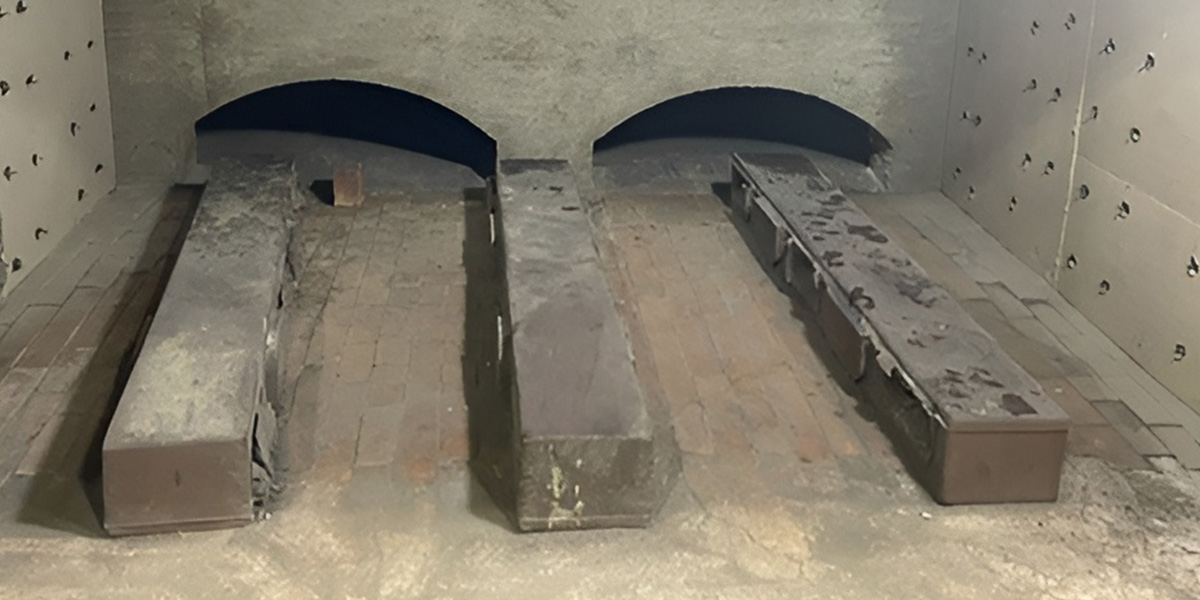
Because of their superior heat resistance, refractories are essential in industrial operations. Many facilities use refractories to improve energy efficiency and protect equipment from high temperatures. However, ignoring maintenance can reduce refractory longevity by 50% or more. Protecting refractory materials extends their lifespan and optimizes performance.
Like all consumable products, refractory materials wear with time. Safe, proactive maintenance can ensure worker safety, prevent equipment failure and avoid unexpected shutdowns. Catching early signs of wear allows operators to correct them before they escalate. Avoid costly downtime with regular inspections and expert support.
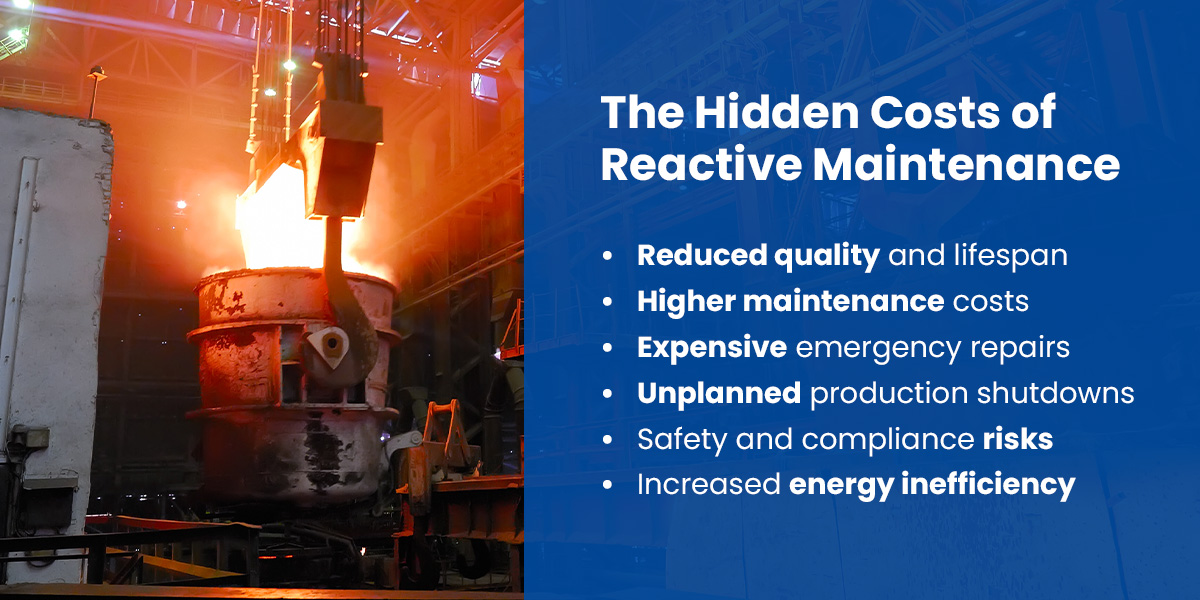
The Hidden Cost of Reactive Maintenance
Reactive maintenance troubleshoots problems after equipment fails, while preventive maintenance prioritizes regular monitoring and upkeep. While it may initially be inexpensive, reactive maintenance can diminish long-term profits and cause multiple financial implications.
- Reduced quality and lifespan: Corrosion shortens a refractory’s lifespan, calling for more frequent replacements.
- Higher maintenance costs: Worn refractories typically require more inspections and repairs, increasing maintenance costs.
- Emergency repairs: Last-minute repairs are generally more expensive due to overtime labor and rush delivery for materials.
- Unplanned shutdowns: Unexpected refinery shutdowns lead to lost production time, supply chain disruptions and labor reallocation.
- Safety and compliance risks: Damaged refractories risk regulatory noncompliance fees and can expose workers to dangerous gases, debris and molten materials.
- Energy inefficiency: Unmaintained refractories lose efficiency, leading to heat loss. Thus, furnaces and boilers consume more fuel, increasing energy expenditure.
What Causes Refractory Wear?
Refractory wear is a leading cause of boiler failure, and damaged lining can threaten the integrity of other boiler components. Operators should pinpoint this problem’s origins to prevent long-term damage. These can look like:
- Chemical corrosion
- Mechanical stress
- Moisture infiltration
- Erosion from moving liquids
- Abrasive particles and debris
- Rapid temperature fluctuations
- Improper materials, installation or anchoring support
Refractory materials experience spalling, cracking, deterioration, thermal shock and other types of physical wear that threaten performance. For example, slagging is when molten particles weaken the refractory lining. In severe cases, gasifier operators may need to replace refractories every three months, resulting in costly shutdowns.
Facility owners can prevent refractory damage by understanding causes such as operational issues or incompatible materials.
Refractory Longevity Strategies
Operators can reduce equipment damage, minimize downtime and improve profits by lengthening their refractories’ lifespans.
Select the Right Materials
Refractories are a cornerstone of high-heat industrial equipment. When buying a refractory lining, select the correct material for the application. Consider factors like density, operating temperatures, chemical environment, thermal shock resistance and installation methods.
Ensure Accurate Installation
Accurate refractory installation equals successful performance. Properly installed materials last longer, preventing unnecessary corrosion and early replacement. Employ trained professionals for safe, efficient installation. Check linings to verify a sealed refractory with enough room for heat expansion.
Maintain Proper Handling
Operators can keep refractories up and running with strategic management. Use specialized tools and methods when cleaning or loading vessels to prevent mechanical damage. Aim for consistent boiler operating speeds to ensure stable refractory operation.
Minimize Rapid Temperature Changes
Frequent temperature fluctuations can cause spalling and cracking. To reduce thermal shock, follow manufacturer guidelines and maintain gradual, controlled heating and cooling cycles. Slow heating supports uniform temperature distribution and safe refractory expansion.
Prioritize Regular Upkeep
Routine maintenance transforms refractory operations. A proactive maintenance plan will reduce maintenance costs, extend service life and ensure safe equipment operation. For instance, operators should check periodically for visual signs of damage, such as flaking or permanent cracking.
Outsource Refractory Maintenance
Hiring a permanent maintenance staff may not always be the most cost-effective choice. Consider partnering with an external professional for safe, scheduled maintenance that optimizes refractory performance. Routine inspections and repairs can mitigate the effects of chemical attacks and slag penetration, extending refractory lifespan.
Refractory Operator Inspection Checklist
Performing regular inspections offers several benefits. When you catch damage early on, you can lower maintenance costs and maximize production. In-house refractory monitoring might look like:
- Conducting regular inspections
- Recording all signs of wear
- Removing dust buildup
- Leaving cooldown cracks alone
- Patching or replacing damaged spots quickly
Operators who inspect refractory linings should look for symptoms of refractory failure. These can include:
- Discoloration
- Falling debris
- Excessive gaps
- Visible cracking
- Extreme heat loss
- Unusual slag deposits
- Unstable temperatures
- Hot spots found with thermography
Refractory wear doesn’t always happen at once, though addressing issues early can prevent large-scale shutdowns. Whether it’s through visual examination, high-temperature cameras or infrared cameras, regular inspections allow you to pinpoint premature signs of wear.
Preventing Refractory Failure
Creating a maintenance plan is an effective way to improve refractory longevity, prevent equipment failure and boost net profit.
While in-house inspections can save money by extending your refractory lifespan, worn linings will need professional repairs to combat long-term damage. Outsourcing refractory maintenance services instead of hiring staff will free your employees to focus on high-value operations.
Partner with a trusted refractory supplier for tailored refractory repair services. Experienced specialists offer services like installation, maintenance and repairs. They can assess refractory materials and determine how to proceed, whether that’s a routine inspection or a quick repair.
Since a refractory is integral to high-temperature applications, you’ll want to ensure yours functions correctly. Speedy repairs are crucial for averting costly shutdowns. From emergency replacements to regular maintenance, a refractory professional is a highly cost-effective option for facilities.
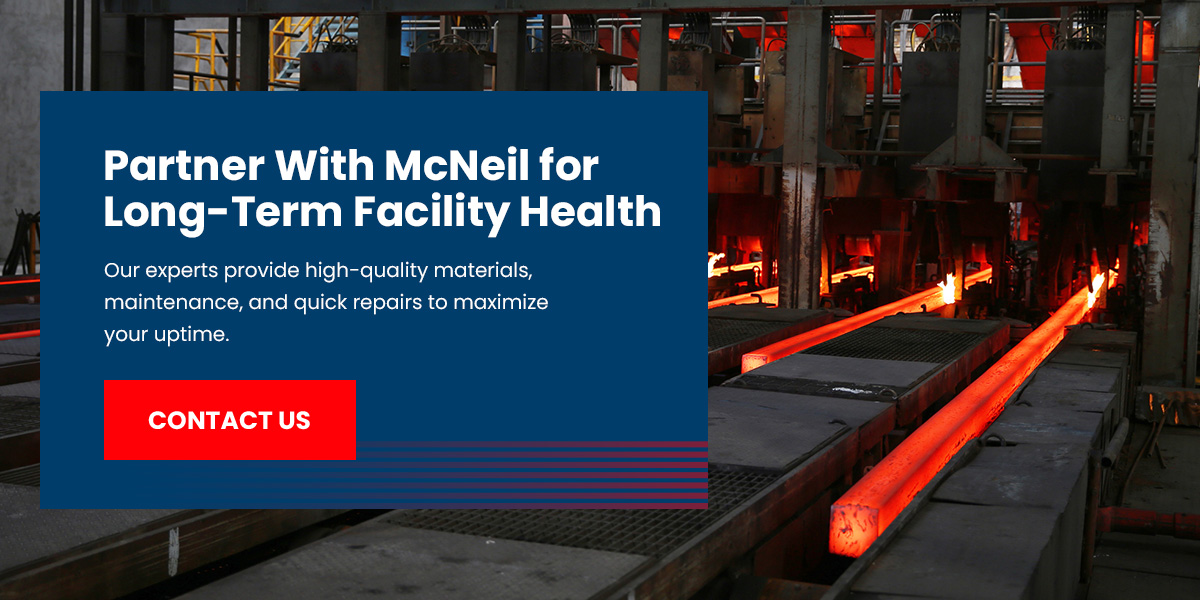
Partner With McNeil for Long-Term Facility Health
Refractories’ ability to withstand extreme temperatures makes them a linchpin of industrial operations. Operators can enhance refractory longevity by ensuring regular upkeep and working with experts for repairs and maintenance.
With over 80 years of experience, McNeil is a reliable partner for heat management across the East Coast. We provide long-lasting solutions for refractory efficiency, including high-quality materials, regular maintenance and quick repairs to maximize uptime.
In addition to refractory solutions, we offer custom services for your heat management needs, from furnace repairs to kiln replacements. At McNeil, we prioritize your facility’s safety and success, and our team is always ready to assist you.
Does your refractory need repairs? Fill out our contact form or reach out to us today! To maximize the longevity of your refractory lining, contact McNeil for annual service and maintenance.
Refinery Shutdowns and Winter Maintenance

Oil and gas refineries often face temporary closures with the arrival of cold weather. These winter shutdowns involve a period of maintenance, inspections and repairs to prepare equipment like heat exchangers and air coolers for extreme cold.
Freezing temperatures and winter storms pose significant risks for refineries, from frozen pipes to machinery damage, and preparation is essential to minimize costly outages and other operational failures.
Winterization planning is a strategic effort that ensures thermal efficiency for the year ahead. Equipment maintenance, inspection and testing are all integral steps as a plant prepares for cold weather. This guide outlines clear steps for an effective refinery shutdown.
The Importance of Refinery Shutdown Planning
Unplanned refinery shutdowns are becoming more prevalent and often last over a month. Unprecedented ice storms or severe temperatures can trigger these disruptive events, resulting in revenue losses from repair costs and extended turnarounds.
Because unexpected shutdowns can lead to safety accidents and operational risks, it’s vital to have a step-by-step plan to transition into winter shutdowns as smoothly as possible.
Benefits of a cold-weather action plan include:
- Staying on schedule
- Extending equipment life
- Preventing costly emergency repairs
- Addressing the root of a problem before it grows
- Paying employees only when they’re on the clock
- Keeping the workplace safe from accidents
Steps to Prepare for Winter Shutdowns
Before acting, management should consider which equipment is critical to the plant’s success. If something fails, how might that threaten the plant’s operation? A winterization checklist can make all the difference in keeping the building safe and functional.
Follow these steps to shield your refinery from temperature damage before a storm.
- Collect emergency supplies: Keep spare parts and provisions on hand in case equipment fails. Prepare with piping insulation, antifreeze, space heaters, backup generators and snow removal supplies.
- Keep workers safe: Protect your employees from harsh conditions. Provide your team with insulated gear and maintain a warm, safe space for shelter during a storm.
- Implement a steam plan: Prioritize high-pressure steam for process tracing to maximize boiler uptime and maintain critical temperatures. Inspect steam traps, perform regular equipment inspections and train employees on winterization protocol.
- Manage fluids: Fluids can thicken in cold temperatures, potentially harming machinery and impairing flow. Drain condensate, check viscosity levels and ensure pump circulation. Apply antifreeze in places where drainage isn’t possible, especially in areas susceptible to ice damage and expansion.
- Winterize equipment: Inspect pipes, valves, pumps, tanks and blowout preventers for signs of fatigue, as cold weather can exacerbate damage. Drain idle boiler equipment and remove dead-end pipes. Consider implementing refractory materials built to withstand extreme temperatures.
- Protect the building: Pay attention to exposed pipes and vulnerable areas. Test all temperature and power alarms, maintain above-freezing temperatures and keep a reliable backup energy source.

Heat Exchanger and Air Cooler Protocols
Preventive maintenance for refinery shutdown is vital, and a checklist for heat exchangers and air coolers can help.
Air coolers use finned tubes to cool process fluids and enhance heat transfer efficiency. They balance plant temperatures and keep operations running smoothly. Perform cooler maintenance in the following areas.
- Inspection: Check the interior for loose electrical connections and confirm that fans are working properly. Regular refinery tubing inspection is essential for thermal efficiency.
- Cleaning: Use nonabrasive methods such as air, water or steam to remove internal and external dirt or residue, ensuring proper heat transfer.
- Testing: Conduct vibration testing on inner components to prevent operational failure. Verify structural integrity by tightening fasteners and replacing loose or degraded parts.
Heat exchangers transfer thermal energy between two fluids, making them a central part of heating and cooling processes. However, malfunctions can lead to toxic gas leakage and stream contamination. Working heat exchangers are necessary for refinery success and temperature regulation. Here’s how to take good care of heat exchangers.
- Inspection: Check tube alignment for fluid flow and structural integrity, and inspect the interior for weld failures, cracks, pitting, leaks, fatigue, corrosion and mechanical damage. Consider replacing damaged heat exchangers that fail safety inspections.
- Cleaning: When debris reduces efficiency, use brushes and scrapers to remove deposits from tubes, on the surface or in fins. Wear protective gear when using chemical solutions to dissolve buildup. Afterward, rinse with water to remove residue.
- Testing: Heat exchangers should undergo nondestructive testing to support efficiency, prevent defects, reduce maintenance needs and minimize costly downtime. Methods may include visual examinations, as well as hydrostatic, eddy current, thermal imaging, ultrasonic and leak detection testing. Plug ineffective or leaky tubes to prevent further damage.
Freeze Protection Checklist
Here’s how to prevent equipment from freezing.
- Draining fluids: Drain and punch pipes with dry air or nitrogen, and ensure they are empty to prevent ice formation.
- Insulating pipes: Apply insulation to all exposed pipes to prevent fluids from freezing and causing structural damage.
- Removing dead legs: Drain or close off dead-leg pipes where water could collect and freeze, creating weak points.
- Managing supply lines: Thoroughly clean and flush lines. Install a heat-tracing system and plan ice-removal strategies.
In addition to winterizing pipes, management should train personnel in freeze-prevention protocols and conduct routine mechanical inspections for refinery equipment.
Prepare for Shutdowns With Expert Support
Refinery management should follow a winterization plan to inspect for corrosion, replace damaged vessels, protect equipment from freezing temperatures and prepare the plant for a weather-related closure. These preventive measures are vital for a plant’s operational resilience.
When facing a shutdown, you need a maintenance partner familiar with the logistical and environmental challenges in your industry. Trust McNeil to prepare your facility for the winter. Our team offers comprehensive services, including expert maintenance, repair and installation. We deliver refractory solutions shaped around your unique needs.
With over 80 years of expertise, McNeil is a trusted source for high-quality refractory, boiler and mechanical support across the East Coast. Our dedicated specialists prioritize your refinery’s safety and success. In addition to heat management services, we provide a range of materials designed for efficiency and temperature resistance.
To learn more about our refractory solutions, fill out our contact form or call us today to get started with a quote!

Ceramic Fiber’s Role in the Oil and Gas Industry
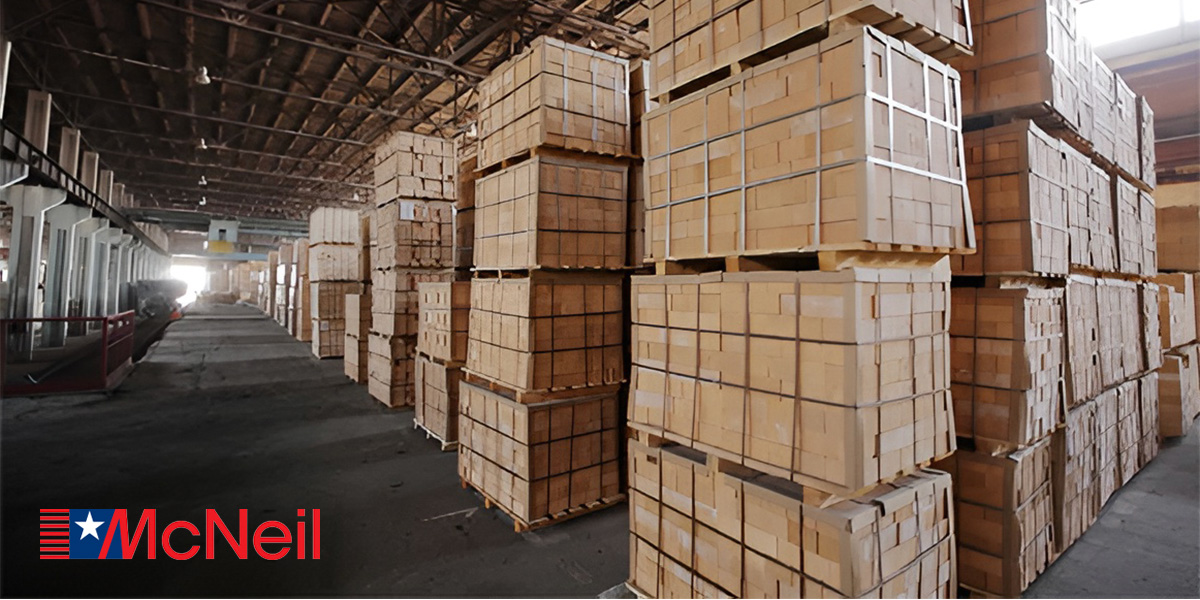
Ceramic fiber plays a significant role in the oil and gas industry because it insulates high-heat equipment for enhanced safety, efficiency, consistency, productivity and cost savings. High-temperature equipment such as furnaces, boilers and flares rely on proper insulation to retain and disperse heat uniformly. Ceramic fiber’s low thermal conductivity enables it to hold heat in an insulated area efficiently while consuming less energy, allowing companies to boost productivity and reduce overhead costs.
What Is the Role of Ceramic Fiber Products?
Ceramic fiber products provide insulation and help minimize heat loss during oil conversion processes. Companies use high-temperature equipment to convert oil into useful products such as fuel, and this equipment requires proper insulation for the following reasons:
- Safety: Proper insulation prevents heat from transferring to a piece of equipment’s exterior surfaces, protecting workers from potential burns and nearby objects from damage. It also helps prevent fires by reducing the spread of flames.
- Efficiency: Insulation decreases heat loss so equipment can operate on less energy and help companies save money.
- Uniformity and consistency: Insulation helps equipment disperse uniform heat, which is essential for effective heat treatment. It also allows equipment to maintain thermal consistency throughout treatment processes and increase product quality.
Ceramic fiber products effectively insulate high-temperature equipment so it can operate reliably and efficiently. They serve as excellent alternatives to other insulation packages such as refractory bricks, gunite, asbestos millboard and mineral wool boards and blankets. Ceramic fiber is highly dependable and offers the lowest heat loss to ensure equipment retains as much heat as possible.
What Does Ceramic Fiber Do?
Ceramic fiber lines high-heat equipment in the form of boards, blankets, papers, felts or textiles. It features intertwined alumina silicate fibers and small voids that trap air, resulting in thermal resistance that enables it to withstand extreme temperatures. A ceramic fiber product’s unique composition restricts heat from moving through the material, preventing it from infiltrating or escaping an insulated area.
What Applications Do You Use Ceramic Fiber Products for in the Oil and Gas Industry?
Companies in the oil and gas industry use ceramic fiber to insulate high-heat equipment, such as the following:
- Boilers
- Cracking furnaces
- Distillation columns
- Fired heaters
- Flares
- Hydrogen and ammonia reformers
What Are the Properties of Ceramic Fiber Material?
Ceramic fiber products are highly durable and reliable because of the following properties:
- Low thermal conductivity: Ceramic fiber’s low thermal conductivity enables it to restrict heat from entering or exiting an insulated area.
- High thermal shock resistance: You can expose ceramic fiber to rapid temperature changes without breaking or cracking.
- Low shrinkage and elongation rate: Low shrinkage and elongation rate enable ceramic fiber products to remain dimensionally stable in extreme temperatures.
- Chemical resistance: Ceramic fiber can resist most chemicals, alkalis and acids.
- Versatility: Ceramic fiber is extremely versatile due to its ability to withstand high temperatures and various chemicals.
- High tensile strength: High tensile strength enables ceramic fiber to withstand extensive pulling force without deforming or breaking. Ceramic fiber products can perform well even when exposed to mechanical strain, stress and vibrations.
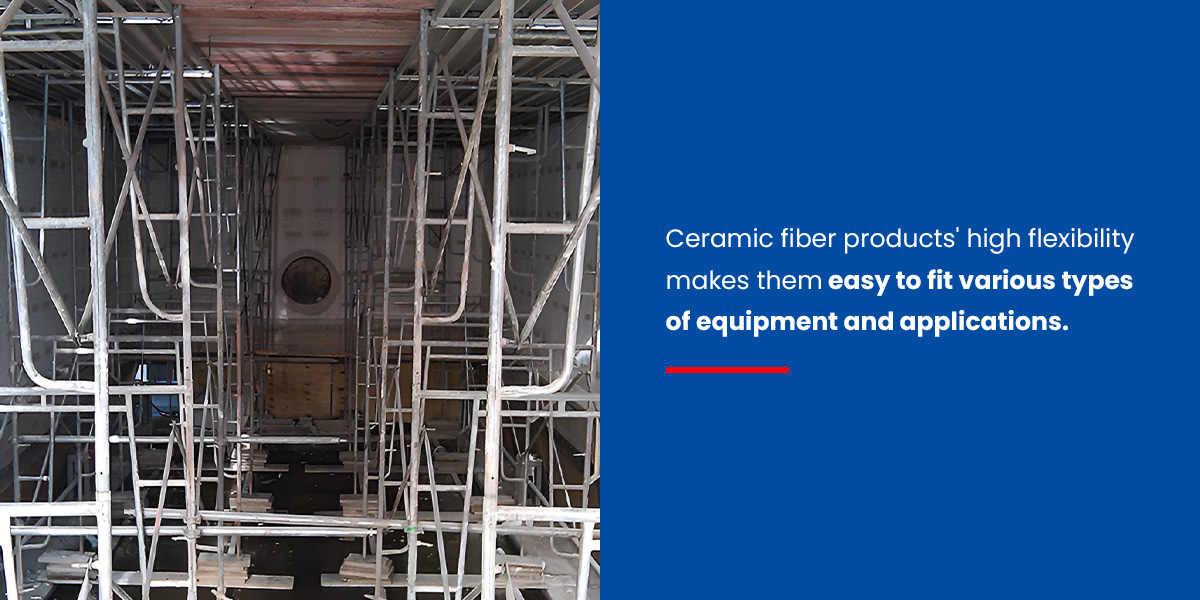
- Malleability: Ceramic fiber products’ high flexibility makes them easy to fit various types of equipment and applications. You can bend and form them to achieve precise equipment shapes and sizes.
- Longevity: Ceramic fiber insulation products typically last for many years, reducing the need for frequent replacements.
- Low weight: Ceramic fiber insulation products are lightweight.
Advantages of Insulating With Ceramic Fiber
Insulating with ceramic fiber products offers the following advantages:
- Increased productivity: Quality insulation helps equipment operate harder, retain more heat and maintain consistency, enabling your company to boost productivity.
- Increased equipment uptime: Ceramic fiber’s high thermal shock resistance helps shorten equipment maintenance shutdown durations. Since ceramic fiber products can withstand rapid temperature changes, equipment requires less time to cool down for maintenance and return to its operating temperature afterward.
- Lower costs: Insulating with ceramic fiber results in equipment consuming less energy, so you can expect lower energy costs.
- Easy installation: Ceramic fiber products are typically easy to install.
- Sustainability: Ceramic fiber’s ability to reduce energy consumption can help reduce your company’s carbon footprint and improve your environmental impact.
Types of Ceramic Fiber Products Available
You can choose from the following types of ceramic fiber products to insulate your oil refining equipment:
- Blankets: Ceramic fiber blankets are lightweight and highly adaptable. Blankets are ideal for insulating a boiler or petrochemical processing equipment.
- Felts: Ceramic fiber felts are thinner than blankets and are easier to cut and form into shapes for precise specifications. Felts are excellent for furnace insulation.
- Papers: Ceramic fiber papers are thin, lightweight and flexible, and they provide excellent heat and chemical resistance.
- Textiles: Ceramic fiber textile products such as rope, tape, cloth and braid provide excellent heat resistance for insulation and sealing.
- Boards: Solid ceramic fiber boards offer more rigidity than blankets, felts, papers and textiles, but they are still lightweight and flexible. Ceramic fiber boards are excellent for lining furnaces, and their high volume makes them extra durable.
Safety Considerations When Handling or Using Ceramic Fiber Products
Safety is essential when handling or installing ceramic fiber products. Hire a professional to install your ceramic fiber insulation, or consider the following safety tips before attempting installation on your own:
- Read your equipment user’s manual before installing ceramic fiber insulation.
- Wear personal protective equipment (PPE) such as gloves, long-sleeved clothing, eye protection, and a mask or respirator to prevent health complications or injuries.
- Wash exposed skin with soap and hot water after handling ceramic fiber.
- Wash exposed clothing soon after handling ceramic fiber, and wash it separately from other items of clothing.
While ceramic fiber is easy to install, scheduling professional installation is best if you are unsure about the proper steps and safety precautions. A professional can quickly provide your equipment with dependable insulation, leaving you free to focus on other tasks.
What Are the Sources of Ceramic Fiber?
Heat-resistant material manufacturers make ceramic fiber using aluminum and silicon. After melting the aluminum and silicon together in a furnace, they use quick air streams to cool and separate the fibers into individual strands and weave the fibers together to form ceramic fiber products.
Improve Your Insulation With Ceramic Fiber Products From McNeil
Ceramic fiber’s low thermal conductivity, high thermal shock resistance and high durability make it a highly effective insulation solution. Ceramic fiber blankets, boards, felts, papers and textiles effectively hold heat in insulated areas for enhanced efficiency and safety, and they are essential in the oil and gas industry.
McNeil offers high-quality ceramic fiber products to meet various industry needs. Our team has over 80 years of experience in heat-management materials and is dedicated to providing long-lasting solutions and unmatched protection. Contact us to learn more about our heat-management products and installation services.

Boiler Cleaning Tips
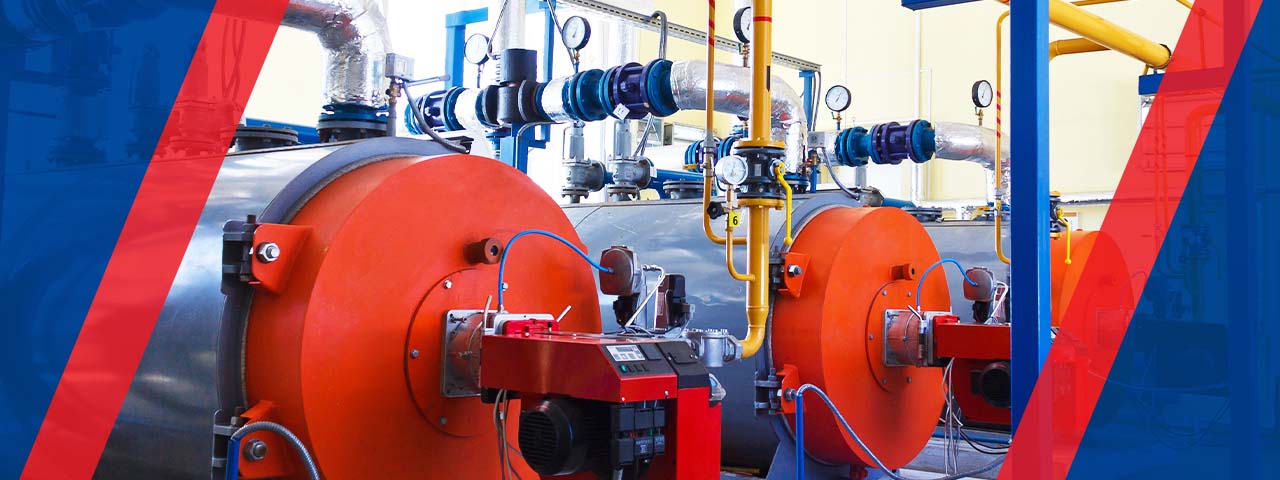
Scale, mineral, ash and soot buildup is normal for any industrial boiler system, but if it persists for too long, it can make the boiler work harder than necessary. These contaminants create slag deposits that stick to boiler surfaces and reduce heat transfer, reducing efficiency while increasing costs.
Cleaning your boiler ensures it works efficiently while minimizing fuel and operational costs. A boiler free of buildup can offer long-lasting performance that ensures smooth workflows for your facility
What is the best method for cleaning a boiler? Check out these boiler cleaning tips to discover the best ways to maintain your boiler and maximize your investment.
1. Contact a Professional
Your boiler is critical to your operations, so it needs specialized care to ensure it remains safe and operational. An experienced professional can clean your equipment quickly and efficiently while protecting it throughout the process. Professionals have extensive experience working with all types of boilers for different industries, so they will know how to clean yours effectively.
An expert boiler cleaning company will also understand proper procedures for handling chemicals and disposing of contaminants. A professional can perform the deep cleaning processes your boiler needs to operate at peak performance with minimal risks of malfunctions or damage.
2. Turn Off Your Boiler
Before the cleaning process begins, you must turn off your boiler — a simple and straightforward step, but one that is absolutely necessary. The boiler must be completely cool to prevent damage and allow for safe and easy cleaning. Follow the manufacturer’s instructions for shutdown procedures to ensure the boiler is properly prepared for cleaning.
If you plan to clean your main boiler, be prepared to use backup or rental boilers to ensure uninterrupted operations for your facility. If backup boilers are unavailable, schedule cleaning during planned downtime or low-demand periods so you can minimize disruptions.
3. Use the Right Cleaning Methods
The best method for cleaning a boiler depends on the type you have, your water quality and how often you use your boiler. These factors will affect how much buildup you need to remove and the type of cleaning that will best eradicate contaminants.
Boiler cleaning methods include:
- Chemical cleaning: Specialized industrial boiler cleaning chemicals can dissolve deposits, such as scale and sludge, along internal boiler tubes. Follow the manufacturer’s guidelines to use appropriate chemicals and procedures to protect the boiler throughout the process. With the right water treatment for your boiler, you can optimize energy efficiency while lowering costs.
- Mechanical cleaning: These techniques focus on dislodging and physically removing buildup. Professionals may use wire brushes and scrapers to scrub surfaces and vacuums or compressed air to clear debris.
Start by removing ash and soot from the boiler, and then use chemical or mechanical cleaning techniques to clean the boiler’s interior. Ensure every component is thoroughly cleaned, from pipes to combustion chambers. Flush the system with clean water to remove any remaining chemicals or debris.
4. Perform Thorough Inspections
Clean boiler surfaces offer the perfect opportunity for a comprehensive inspection. With a clear view of your boiler components, you can determine if any part needs additional maintenance before you run your boiler system again.
Performing tests along with inspections will help ensure the boiler is functioning properly and ready to return to operation. Once your boiler has passed inspection, you can reassemble the components and restart the system.
5. Follow a Regular Maintenance Schedule
A regular maintenance program promotes your boiler’s longevity and productivity. With consistent cleaning, inspections and tune-ups, you can easily troubleshoot boiler problems and minimize the risk of damage or malfunctions.
When conducting maintenance, it is best to use a maintenance checklist with a variety of boiler maintenance tips for daily, weekly, monthly and yearly tasks. A comprehensive checklist ensures you cover every aspect of cleaning and maintaining your boiler to promote optimal performance.
Common Questions About Industrial Boiler Cleaning
Review these common questions to find additional tips for taking care of your critical boiler system.
How Do You Flush Sediment Out of a Boiler?
To flush the sediment out of your boiler, you will first need to prepare the following supplies:
- A hose: Attaching the hose to the drain valve helps create a powerful water flow out from your boiler.
- A bucket: You will need a container, such as a bucket, to catch and assess the water from your boiler.
With these supplies, you can follow these steps to clean out your commercial boiler:
- Attach a hose to the drain valve and place a container under the valve.
- Open the valve and let the water drain into the container.
- Close the drain valve once the boiler is empty, and dump the water from the container.
- Fill the boiler with clean water.
- Circulate the water throughout the boiler system, then drain it into the container.
- If the water still has sediment or debris, repeat the flushing cycle until the water is clear.
- Close the drain valve and turn off the boiler.
If your boiler has a built-in flush valve, follow the manufacturer’s instructions to use the valve properly. Be careful not to overfill the boiler during the flushing process to prevent damage.
How Often Should Boilers Be Cleaned?
Boilers require professional cleaning at least once a year to promote long-lasting performance. Your boiler may need more frequent cleanings depending on how often you use it and your water quality. The more frequently you use your boiler or the poorer your feedwater quality, the more cleanings your boiler will need throughout the year.
You can evaluate your boiler’s condition by taking a boiler tube sample. Measuring the deposit amount and analyzing the composition of the deposits can tell you if your boiler needs to be cleaned. If you notice issues with your boiler, such as inefficiencies or leaks, they may also be signs that it is time for a cleaning.
Contact McNeil for Comprehensive Boiler Cleaning and Maintenance Solutions

When you need an experienced professional to handle your boiler cleaning requirements, choose McNeil. Our experts have extensive experience serving clients throughout industries, so you can trust us to understand your boiler needs and resolve your concerns.
We clean the entire machine to remove contamination and promote efficient performance that keeps your costs low. We also offer annual steam boiler maintenance, boiler inspections and comprehensive boiler repair services to ensure your equipment gives you the uninterrupted production your facility requires.
Ready to get started with our solutions? Contact us through our form, or call us at 800-722-5538 today to learn more about our boiler cleaning services.
A Guide for Ground Flare Repair
Ground flare systems offer unique benefits and challenges to industrial facilities. As one of the most important parts of an industrial plant, flare systems enhance safety for workers and the environment. Like every other well-used system, they need regular maintenance and occasional repair.
Repairing a ground flare system can be expensive since it requires all plant operations to stop. Keep reading to learn more about the different components of a ground flare system, which parts may require maintenance and how you can best handle the repair process.
Flare Design and Types
Several types of flare systems are used across industries. They can be divided first based on height. Many flares are elevated so their ignition source remains far away from other parts of the industrial compound. Ground flares are built in their own area with a radiant heat fence for similar protective reasons.
Industrial plants sometimes use assistance in the form of steam, air or pressure to improve mixing at the flare tips in their compound. Steam- and air-assisted flares are often elevated for safety reasons, but non-assisted, pressure-assisted and multipoint pressure-assisted flares can be built at elevation or ground level.
There are several structural models for ground flares. Some ground-level flares are enclosed, while others have an open-flame design. Enclosed ground flares are built inside an insulated shell. This protects the flares from wind disturbance and reduces both heat radiation and visible light during the flare process.
Open-flame ground flares are built with a radiant heat fence and tend to cover more ground than enclosed ground flares. The open-flame design has a higher capacity for venting gases, while the enclosed design is often chosen for plants that need a lower, constant flow for vent stream.
When Is a Ground Flare System Best?
The best flare design for your facility depends on several factors, including:
- Type of flare gas.
- Amount of available space.
- Cost-efficiency.
- Safety factors.
- Community concern.
Many communities don’t understand that flares are a sign of environmental protection — these flames are created because your plant has burned off toxic gases and is releasing healthier ones into the atmosphere instead. Covering flares with a ground design can increase community peace of mind.
When the proper design and safety protocols are followed, ground flares don’t create occupational hazards for workers. Radiant heat shields protect employees during maintenance, and plant layout design keeps ignition sources away from the rest of the operation.
Understanding the Components of a Ground Flare
Ground flares have several components, depending on whether they’re enclosed or open-flame. The largest difference between ground flares and elevated flare systems is that ground systems don’t have a stack or other mechanisms to support the elevation of gases.
Here’s a quick list of common ground flare components:
- Relief valves
- Knock out drum
- Liquid seal
- Piping
- Gas pilot
- Pilot reignition system
- Smoke suppression assist system
- Refractory wall or radiant heat shield
To optimize your plant, ground flare systems may have small variations in design. It’s wise to work with a professional who can design the safest and most efficient ground flare system to meet your needs. Make sure you understand every element of the design and how they work together.
Step-by-Step Guide for Ground Flare Repair
Over time, these components will require maintenance to ensure they continue operating at top performance levels. Because flares are part of your compound’s safety system, they’re incredibly important.
Each component should be checked and serviced on a regular schedule to prevent issues with the flare system and your plant at large. However, even with regular checks, sometimes repair is necessary. Parts wear out over time, and it’s better to discover this during maintenance than to experience an interruption in regular workflow.
Assessing the Damage and Preparing for Repair
If you discover damage to your flare system, take detailed notes about what parts are experiencing dysfunction. Each piece of the system is essential for safe and reliable operation. Here are a few examples of issues you might encounter:
There could be external damage to components, either from weather or years of use. Check the following:
- Refractory lining
- Radiant heat shield
- Piping and pilots
- Assist systems
There could also be internal problems with the system, reducing function and safety. To find out, ensure that:
- There’s no air in the system.
- All filters and valves work.
- Pipe slopes allow for gas flow.
- Each component works well.
You can check for external damage by visually checking each component of your ground flare system. Of course, workers should never be inside the system while it’s functioning. Visual checks should be fast, easy and uncomplicated — to anyone who’s familiar with the industry, external damage should be obvious.
To check for internal issues, you’ll need to schedule an inspection. Workers may also notice changes in system behavior or reduced performance levels, which can give clues as to what is happening. If you’re concerned about performance changes, it’s a good idea to have a professional inspect your system.
Once you’ve noted all damage, the next step is to schedule repairs for your ground flare system. When every component is working at its best, the system will continue to perform safely and support top production at your industrial compound.
Maintenance Tips to Prevent Future Repairs
To reduce the potential for damage and repair costs, conduct regular maintenance for your ground flare system. Both enclosed and open-flame systems have specific strengths and weaknesses, and eventually, parts will wear out.
However, like other machines, ground flares last longer and perform better with regular checks. The legal requirements for flare inspection depend on the flare design, your facility’s purge rate, the age of your plant and more. You should take advantage of every opportunity to have your flares inspected.
Why Choose McNeil for Ground Flare Repairs?
McNeil has served customers with heat-management services since 1937. When you partner with us, you partner with a team of highly experienced professionals. We offer construction and installation services across a number of industries, including:
- Chemical and mineral plants.
- Refineries.
- Power generation companies.
- Steel and aluminum plants.
- Waste-to-energy companies.
We specialize in refractory lining design and installation for gas ground flares, vapor combustion systems (VCUs) and vapor recovery units (VIRUs). We can create and install a customized lining for your flare system. Using assistive technology, McNeil can run a heat flow simulation so your new lining exactly meets your needs.
McNeil uses all high-temperature rated anchoring systems and can provide scaffolding inside units. We’re committed to high-quality work, safety and professional communication throughout the process. Reach out to us today for professional ground flare repair and maintenance!