How to Avoid Costly Refractory Repairs
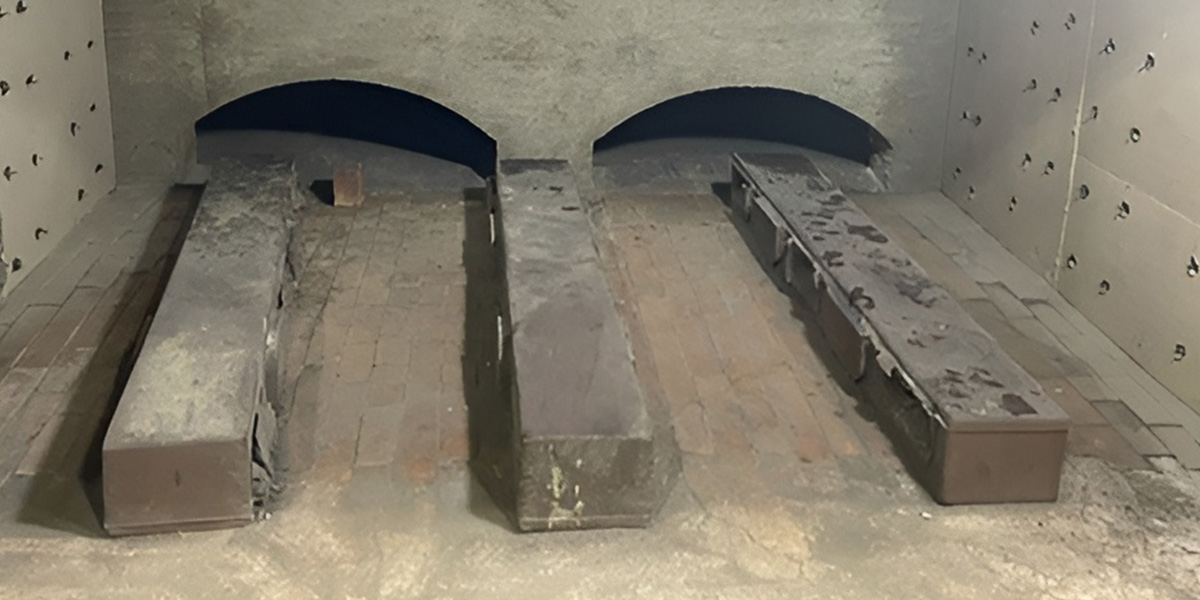
Because of their superior heat resistance, refractories are essential in industrial operations. Many facilities use refractories to improve energy efficiency and protect equipment from high temperatures. However, ignoring maintenance can reduce refractory longevity by 50% or more. Protecting refractory materials extends their lifespan and optimizes performance.
Like all consumable products, refractory materials wear with time. Safe, proactive maintenance can ensure worker safety, prevent equipment failure and avoid unexpected shutdowns. Catching early signs of wear allows operators to correct them before they escalate. Avoid costly downtime with regular inspections and expert support.
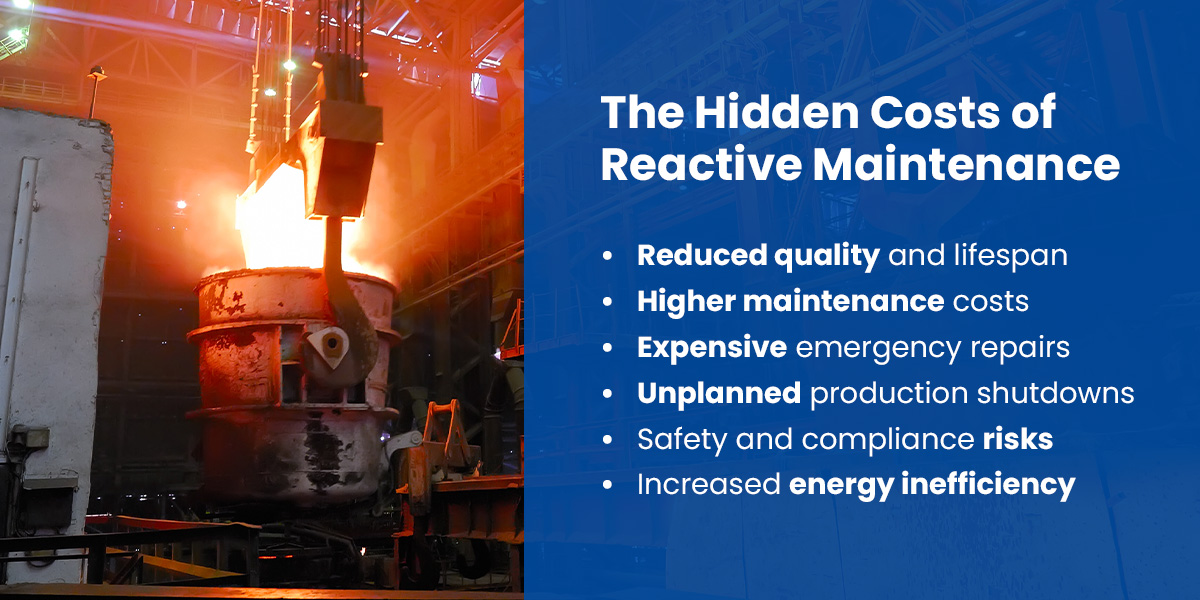
The Hidden Cost of Reactive Maintenance
Reactive maintenance troubleshoots problems after equipment fails, while preventive maintenance prioritizes regular monitoring and upkeep. While it may initially be inexpensive, reactive maintenance can diminish long-term profits and cause multiple financial implications.
- Reduced quality and lifespan: Corrosion shortens a refractory’s lifespan, calling for more frequent replacements.
- Higher maintenance costs: Worn refractories typically require more inspections and repairs, increasing maintenance costs.
- Emergency repairs: Last-minute repairs are generally more expensive due to overtime labor and rush delivery for materials.
- Unplanned shutdowns: Unexpected refinery shutdowns lead to lost production time, supply chain disruptions and labor reallocation.
- Safety and compliance risks: Damaged refractories risk regulatory noncompliance fees and can expose workers to dangerous gases, debris and molten materials.
- Energy inefficiency: Unmaintained refractories lose efficiency, leading to heat loss. Thus, furnaces and boilers consume more fuel, increasing energy expenditure.
What Causes Refractory Wear?
Refractory wear is a leading cause of boiler failure, and damaged lining can threaten the integrity of other boiler components. Operators should pinpoint this problem’s origins to prevent long-term damage. These can look like:
- Chemical corrosion
- Mechanical stress
- Moisture infiltration
- Erosion from moving liquids
- Abrasive particles and debris
- Rapid temperature fluctuations
- Improper materials, installation or anchoring support
Refractory materials experience spalling, cracking, deterioration, thermal shock and other types of physical wear that threaten performance. For example, slagging is when molten particles weaken the refractory lining. In severe cases, gasifier operators may need to replace refractories every three months, resulting in costly shutdowns.
Facility owners can prevent refractory damage by understanding causes such as operational issues or incompatible materials.
Refractory Longevity Strategies
Operators can reduce equipment damage, minimize downtime and improve profits by lengthening their refractories’ lifespans.
Select the Right Materials
Refractories are a cornerstone of high-heat industrial equipment. When buying a refractory lining, select the correct material for the application. Consider factors like density, operating temperatures, chemical environment, thermal shock resistance and installation methods.
Ensure Accurate Installation
Accurate refractory installation equals successful performance. Properly installed materials last longer, preventing unnecessary corrosion and early replacement. Employ trained professionals for safe, efficient installation. Check linings to verify a sealed refractory with enough room for heat expansion.
Maintain Proper Handling
Operators can keep refractories up and running with strategic management. Use specialized tools and methods when cleaning or loading vessels to prevent mechanical damage. Aim for consistent boiler operating speeds to ensure stable refractory operation.
Minimize Rapid Temperature Changes
Frequent temperature fluctuations can cause spalling and cracking. To reduce thermal shock, follow manufacturer guidelines and maintain gradual, controlled heating and cooling cycles. Slow heating supports uniform temperature distribution and safe refractory expansion.
Prioritize Regular Upkeep
Routine maintenance transforms refractory operations. A proactive maintenance plan will reduce maintenance costs, extend service life and ensure safe equipment operation. For instance, operators should check periodically for visual signs of damage, such as flaking or permanent cracking.
Outsource Refractory Maintenance
Hiring a permanent maintenance staff may not always be the most cost-effective choice. Consider partnering with an external professional for safe, scheduled maintenance that optimizes refractory performance. Routine inspections and repairs can mitigate the effects of chemical attacks and slag penetration, extending refractory lifespan.
Refractory Operator Inspection Checklist
Performing regular inspections offers several benefits. When you catch damage early on, you can lower maintenance costs and maximize production. In-house refractory monitoring might look like:
- Conducting regular inspections
- Recording all signs of wear
- Removing dust buildup
- Leaving cooldown cracks alone
- Patching or replacing damaged spots quickly
Operators who inspect refractory linings should look for symptoms of refractory failure. These can include:
- Discoloration
- Falling debris
- Excessive gaps
- Visible cracking
- Extreme heat loss
- Unusual slag deposits
- Unstable temperatures
- Hot spots found with thermography
Refractory wear doesn’t always happen at once, though addressing issues early can prevent large-scale shutdowns. Whether it’s through visual examination, high-temperature cameras or infrared cameras, regular inspections allow you to pinpoint premature signs of wear.
Preventing Refractory Failure
Creating a maintenance plan is an effective way to improve refractory longevity, prevent equipment failure and boost net profit.
While in-house inspections can save money by extending your refractory lifespan, worn linings will need professional repairs to combat long-term damage. Outsourcing refractory maintenance services instead of hiring staff will free your employees to focus on high-value operations.
Partner with a trusted refractory supplier for tailored refractory repair services. Experienced specialists offer services like installation, maintenance and repairs. They can assess refractory materials and determine how to proceed, whether that’s a routine inspection or a quick repair.
Since a refractory is integral to high-temperature applications, you’ll want to ensure yours functions correctly. Speedy repairs are crucial for averting costly shutdowns. From emergency replacements to regular maintenance, a refractory professional is a highly cost-effective option for facilities.
Partner With McNeil for Long-Term Facility Health
Refractories’ ability to withstand extreme temperatures makes them a linchpin of industrial operations. Operators can enhance refractory longevity by ensuring regular upkeep and working with experts for repairs and maintenance.
With over 80 years of experience, McNeil is a reliable partner for heat management across the East Coast. We provide long-lasting solutions for refractory efficiency, including high-quality materials, regular maintenance and quick repairs to maximize uptime.
In addition to refractory solutions, we offer custom services for your heat management needs, from furnace repairs to kiln replacements. At McNeil, we prioritize your facility’s safety and success, and our team is always ready to assist you.
Does your refractory need repairs? Fill out our contact form or reach out to us today! To maximize the longevity of your refractory lining, contact McNeil for annual service and maintenance.